

WIN THE GOLD FOR WEARING SUNGLASSES
With Opening Ceremonies for the 2026 Winter Olympics last night, all the snow sports are well-underway! It got us thinking that we often have to remind our patients here in sunny California to not forget to wear their sunglasses when they go up to the mountains or are around the snow in other states as well. Sometimes when it isn’t sunny out or we are in a place or setting that is not our everyday, we can easily forget that our eyes need just as much protection from the elements… if not more! We wanted to go over a few reasons sunglasses are helpful in snow or wintery settings and what type of sunglasses may be best.
Snow Blindness
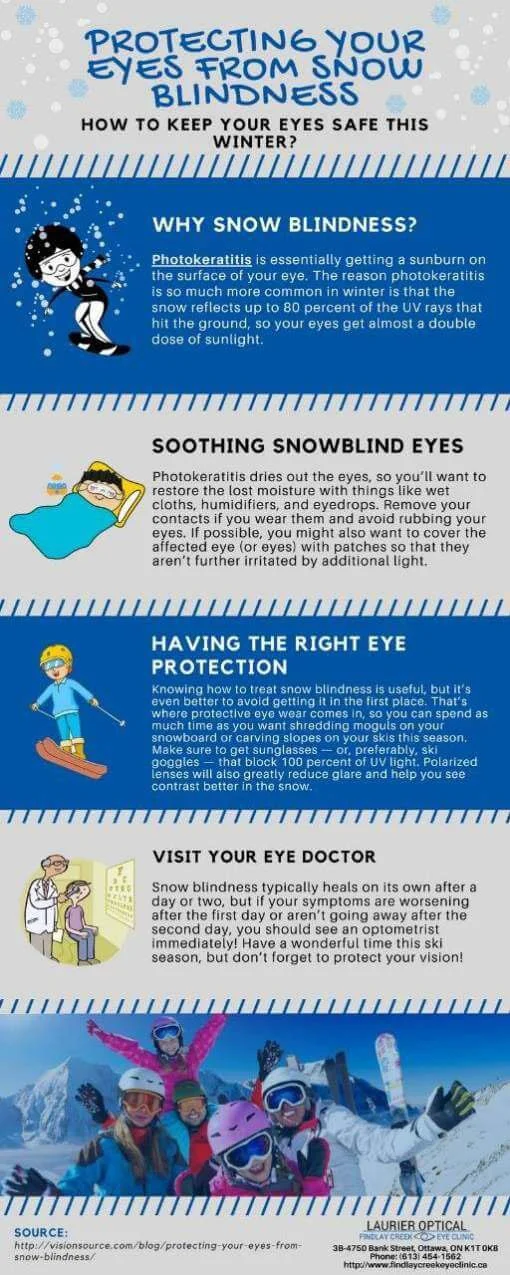
Did you know that “snow blindness” is really a thing?? Crazy! This term is often used to describe a condition that leaves a patient with temporary vision loss due to the cornea basically getting sunburned from UV exposure bouncing off the snow or ice. It can cause eye pain, redness, swelling, and/or vision loss 6-12 hours after exposure and can last for about 24-48 hours, with severe cases taking several days to fully resolve. Snow actually reflects 80% of UV rays. That can increase exposure, especially at high altitudes where the air is thinner. If you happen to experience this, get out of the sun and into a dark, indoor environment. Resting the eyes or using artificial tears may also comfort and soothe the eyes. In severe cases, a cool compress will help with swelling and comfort as well.
Eye Protection
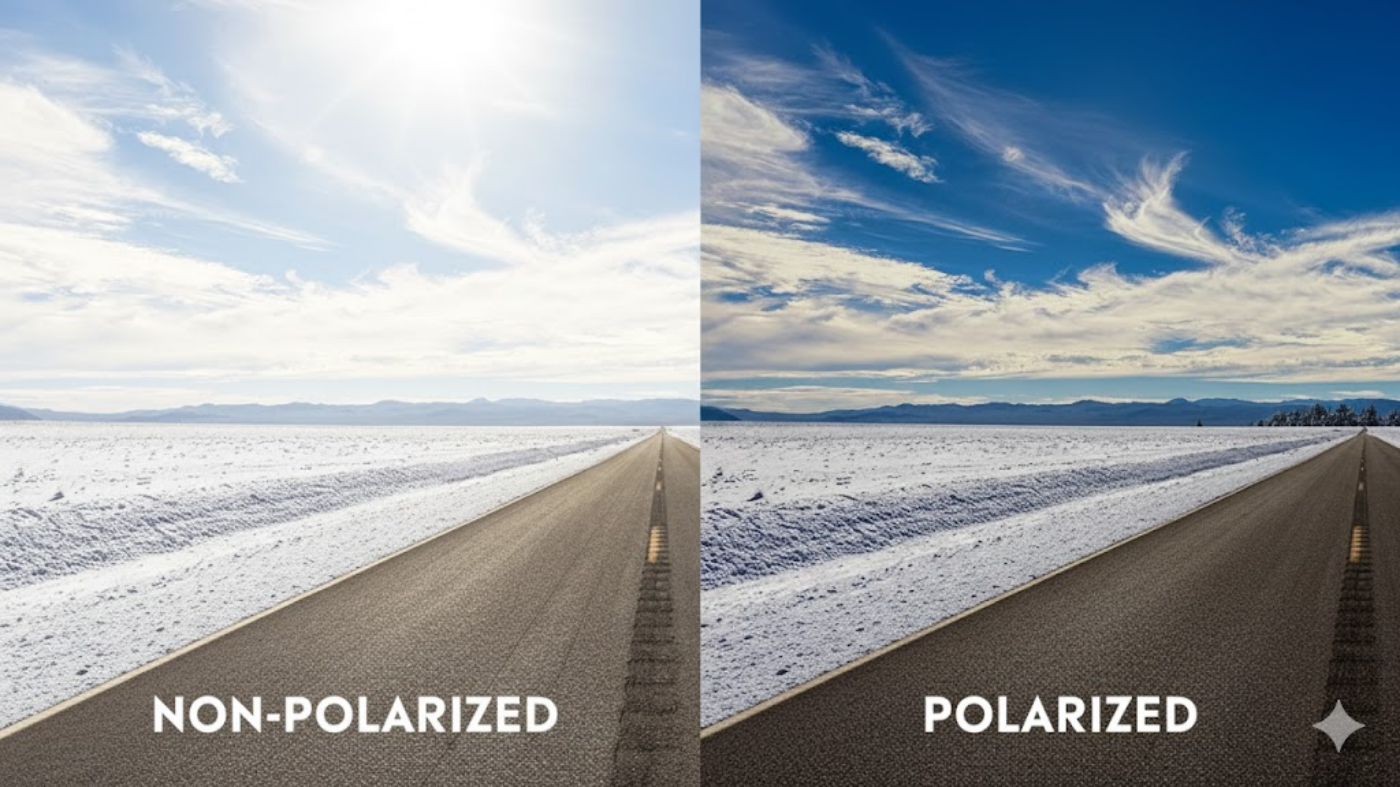
Simply put, you should definitely be wearing eye protection anytime outdoors… rain, shine, sunny or gloomy! When it comes to sunglasses, not all are created equal though. Some of our patients find the most benefit from polarized lenses because it can reduce glare bouncing off the snow or ice and make everything more crisp and comfortable to see. You may see several of the olympic snow athletes with mirrored goggles as well. Mirror coating also helps reduce the glare coming from the snow providing a sharper image for the athletes.
Sunglasses can help reduce the risk of not only snow blindness, but also other eye conditions that are caused by UV or sun exposure. So whatever winter activities you may be partaking in, be sure that sunglasses are just as important as that winter coat!